Bank of Ghana Bans Taping, Gluing, and Stapling of Cedi Banknotes
BoG warns against repairing damaged Ghana Cedi notes with tape, glue, or staples
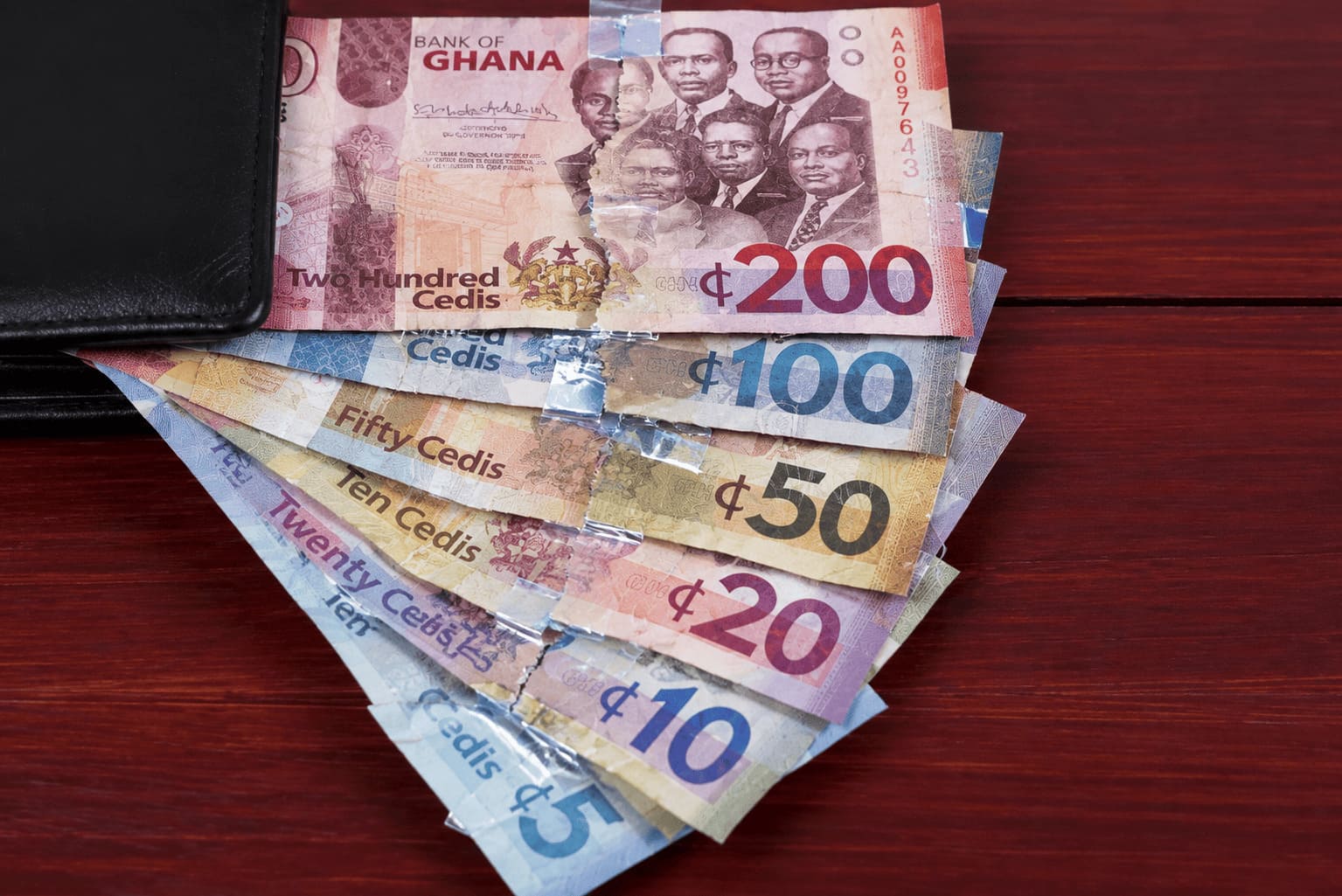
In Brief
- •BoG warns against repairing damaged Ghana Cedi notes with tape, glue, or staples
- •Improperly repaired notes can damage ATMs and currency processing equipment
- •Patched notes are deemed unfit for circulation
- •Public must bring damaged notes to commercial banks for examination and replacement
- •Replacement requires more than half of the original note to be presented
Why It Matters
The Bank of Ghana’s directive underscores the importance of maintaining the integrity of the national currency. Allowing private repair of banknotes risks widespread damage to automated teller machines and other cash‑handling equipment, potentially leading to financial losses for both consumers and financial institutions. By enforcing strict replacement procedures, the central bank aims to preserve public confidence in the Cedi and ensure smooth operation of the country’s cash management system.
Key Details
- Central Bank Warning
- Repairing Cedi notes with tape, glue, staples prohibited
- Potential Impact
- Damage to ATMs and currency processing machines
- Replacement Procedure
- Damaged notes must be presented to commercial banks; more than half of original note required
- Public Action
- Report improper repair activities
Context & Background
The Bank of Ghana is responsible for issuing and managing the national currency and has previously issued guidelines on handling damaged notes.
Original Reporting & Sources
VNews is an independent briefing product. Original reporting remains credited to the following publishers:
This brief was synthesized automatically using attributed third-party reporting. VNews is a digital news publication produced under the VContent Group brand and operated by Francis Vincent Sunday in Ghana, independent from the publishers cited above. Read our AI Transparency Policy and Editorial & Corrections Policy.