Executive Hijack of Ghana's Policymaking Leaves Research on Shelves, Prof. Annim Warns
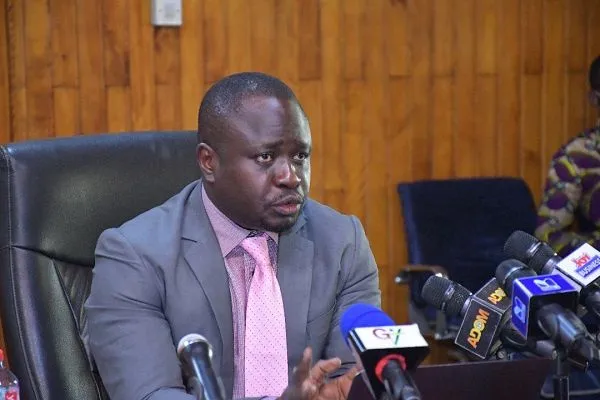
Prof. Samuel Kobina Annim, Director of the African Centre for Statistics at UNECA, warns that research in Ghana rarely shapes policy due to executive hijack of policymaking.
In Brief
- •Prof. Samuel Kobina Annim, Director of the African Centre for Statistics at UNECA, warns that research in Ghana rarely shapes policy due to executive hijack of policymaking.
- •Policies in Ghana start with party manifestos and revolve around the presidency, limiting the influence of academics and other stakeholders.
- •The concentration of decision-making in the executive leaves Parliament, civil society, and academia with a limited role in shaping national policy.
Why It Matters
Prof. Annim's warning highlights the challenges faced by academic research in influencing policy in Ghana. The executive hijack of policymaking can lead to research gathering dust, as decision-makers prioritize their own agendas. This situation underscores the need for a more inclusive policymaking process that allows for the integration of evidence-based research.
Key Details
- Policy Influence Window
- Opens before a government takes office and closes quickly after
- Government Term Length
- 4 years
- Policy Needs
- 1001 policy needs
Context & Background
Prof. Annim's critique revisits his 2017 submission on the Free Senior High School (Free SHS) policy, where he questioned the prioritization of free secondary education over addressing literacy challenges at the Junior High School (JHS) level.
Original Reporting & Sources
VNews is an independent briefing product. Original reporting remains credited to the following publishers:
This brief was synthesized automatically using attributed third-party reporting. VNews is a digital news publication produced under the VContent Group brand and operated by Francis Vincent Sunday in Ghana, independent from the publishers cited above. Read our AI Transparency Policy and Editorial & Corrections Policy.