Ghana’s Bank of Ghana Keeps Policy Rate at 14% Amid Rising Oil Prices, Economist Endorses Decision
Bank of Ghana decided to keep its policy rate unchanged at 14%
In Brief
- •Bank of Ghana decided to keep its policy rate unchanged at 14%
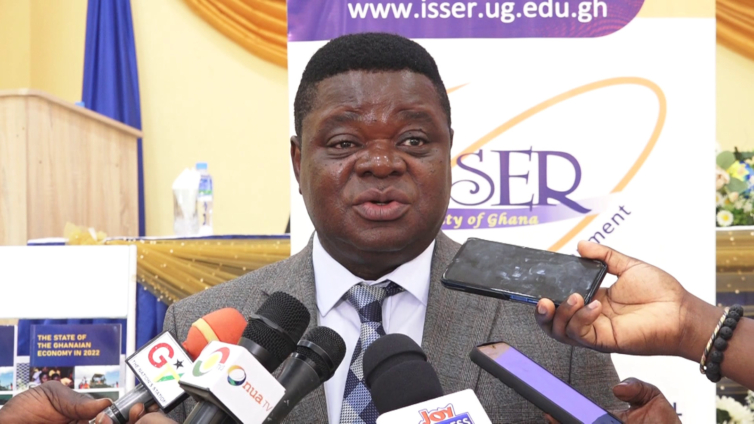
- •Economist Peter Quartey praised the decision, citing rising global oil prices and inflationary threats
- •Quartey noted that a rate hike could increase business costs and suggested monitoring before any change
- •The decision reflects uncertainty in the global economy and Ghana’s macroeconomic outlook
Why It Matters
Maintaining the policy rate at 14% signals the Bank of Ghana’s cautious stance amid volatile global oil markets that threaten domestic inflation. A stable rate helps contain price pressures on consumers and businesses, but it also limits monetary flexibility for future economic shocks. The endorsement by a respected economist underscores the policy’s alignment with broader macroeconomic risks facing Ghana.
Key Details
- Policy Rate
- 14%
- Global Oil Price Trend
- Rising, with uncertainty about future direction
- Inflationary Threats
- Higher utility charges and fuel prices at the pump
- BoG Decision
- Maintain rate unchanged
Context & Background
Ghana’s monetary policy has been tightening to counter inflation, with the Bank of Ghana previously raising rates to curb price rises. The recent decision to hold the rate steady follows a period of aggressive tightening amid global commodity price volatility.
Original Reporting & Sources
VNews is an independent briefing product. Original reporting remains credited to the following publishers:
This brief was synthesized automatically using attributed third-party reporting. VNews is a digital news publication produced under the VContent Group brand and operated by Francis Vincent Sunday in Ghana, independent from the publishers cited above. Read our AI Transparency Policy and Editorial & Corrections Policy.