Ghana Sets 2030 Deadline for Measurable Results in Heavy Metal Food Reduction Plan
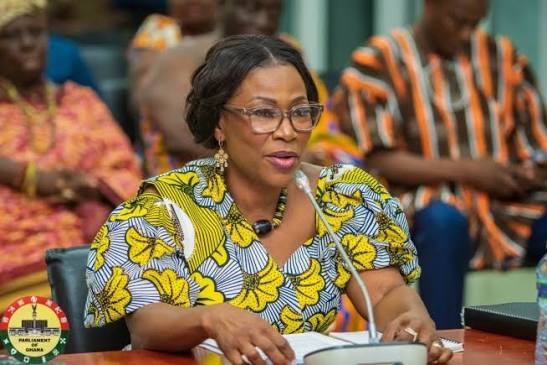
Ghanaian Deputy Health Minister Prof. Dr. Grace Ayensu-Danquah announced that the National Strategic Plan for Heavy Metal Reduction in Food must deliver verifiable results by 2030.
In Brief
- •Ghanaian Deputy Health Minister Prof. Dr. Grace Ayensu-Danquah announced that the National Strategic Plan for Heavy Metal Reduction in Food must deliver verifiable results by 2030.
- •The initiative distributes responsibilities across government, industrial manufacturers, academia, development partners, civil society, media, and consumers.
- •The policy mandates strict accountability through defined performance indicators, regular public progress reporting, and independent review mechanisms.
- •Manufacturers are urged to adopt improved processes to limit contamination risks, protect public health, and maintain consumer trust in Ghanaian food exports.
Why It Matters
Heavy metal contamination in agricultural supply chains poses severe long-term public health hazards and jeopardizes commercial trade. By establishing a 2030 timetable with strict enforcement framework rules, Ghanaian authorities aim to strengthen laboratory testing capacity and improve regulatory compliance across food production systems. Successful implementation relies on consistent state funding, enhanced technical capacity, and transparent progress updates to preserve consumer confidence and agricultural export integrity.
Key Details
- Target Year
- 2030
- Key Policy
- National Strategic Plan for Heavy Metal Reduction in Food
- Key Official
- Prof. Dr. Grace Ayensu-Danquah (Deputy Health Minister)
Context & Background
Food contamination from heavy metals such as lead, mercury, and arsenic often stems from industrial runoff, mining activities, or contaminated soil, creating public health vulnerabilities and technical trade barriers in regional and international markets.
Original Reporting & Sources
VNews is an independent briefing product. Original reporting remains credited to the following publishers:
This brief was synthesized automatically using attributed third-party reporting. VNews is a digital news publication produced under the VContent Group brand and operated by Francis Vincent Sunday in Ghana, independent from the publishers cited above. Read our AI Transparency Policy and Editorial & Corrections Policy.