Ghana Launches Tomato Self‑Sufficiency Initiative to Produce 400,000 Tonnes and Create 600,000 Jobs
Ghana has launched the Ghana Tomato Self‑Sufficiency Initiative (GHATSI) targeting 400,000 tonnes of tomatoes annually.
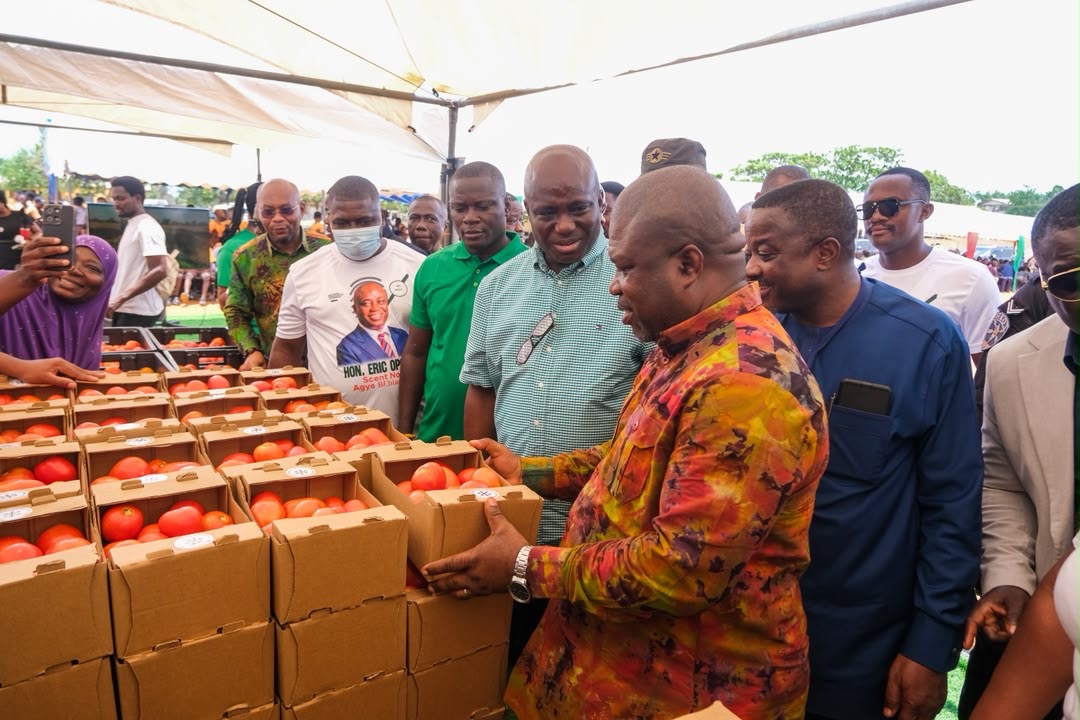
In Brief
- •Ghana has launched the Ghana Tomato Self‑Sufficiency Initiative (GHATSI) targeting 400,000 tonnes of tomatoes annually.
- •The first phase (2026/27) aims for 100,000 tonnes from 10,000 acres across 35 districts, 10 regions and 100 communities.
- •GHATSI is projected to create over 600,000 jobs, with the first phase potentially 150,000 jobs, including 50,000 year‑round positions.
- •FarmMate Ltd, the private partner, already operates 4,000 acres and plans to expand to 130 communities.
- •A processing facility at Legon is expected to start this month with a capacity of 120 tonnes per day.
Why It Matters
The initiative seeks to eliminate Ghana’s seasonal tomato supply deficit of roughly 300,000 tonnes, stabilising food security and reducing reliance on imports. By coordinating production, financing, irrigation, processing and markets, GHATSI aims to boost agricultural productivity, create substantial employment, and stimulate rural economies across the country.
Key Details
- Target annual tomato production
- 400,000 tonnes
- First phase production target
- 100,000 tonnes
- First phase acreage
- 10,000 acres
- First phase job creation
- 150,000 jobs (50,000 year‑round)
- Full rollout job creation
- >600,000 jobs
- Processing capacity at Legon
- 120 tonnes/day
Context & Background
Ghana has historically faced a seasonal tomato supply deficit of about 300,000 tonnes between December and July, prompting the launch of GHATSI to stabilise production.
Original Reporting & Sources
VNews is an independent briefing product. Original reporting remains credited to the following publishers:
This brief was synthesized automatically using attributed third-party reporting. VNews is a digital news publication produced under the VContent Group brand and operated by Francis Vincent Sunday in Ghana, independent from the publishers cited above. Read our AI Transparency Policy and Editorial & Corrections Policy.