IMF Warns AI Could Disrupt 40% of Global Jobs
IMF estimates that AI could affect about 40% of jobs worldwide, with 60% in advanced economies and 23% in low‑income countries.
In Brief
- •IMF estimates that AI could affect about 40% of jobs worldwide, with 60% in advanced economies and 23% in low‑income countries.
- •The IMF described AI’s impact as a “slow‑moving tsunami” that may transform roles, reduce job value, and render some positions redundant.
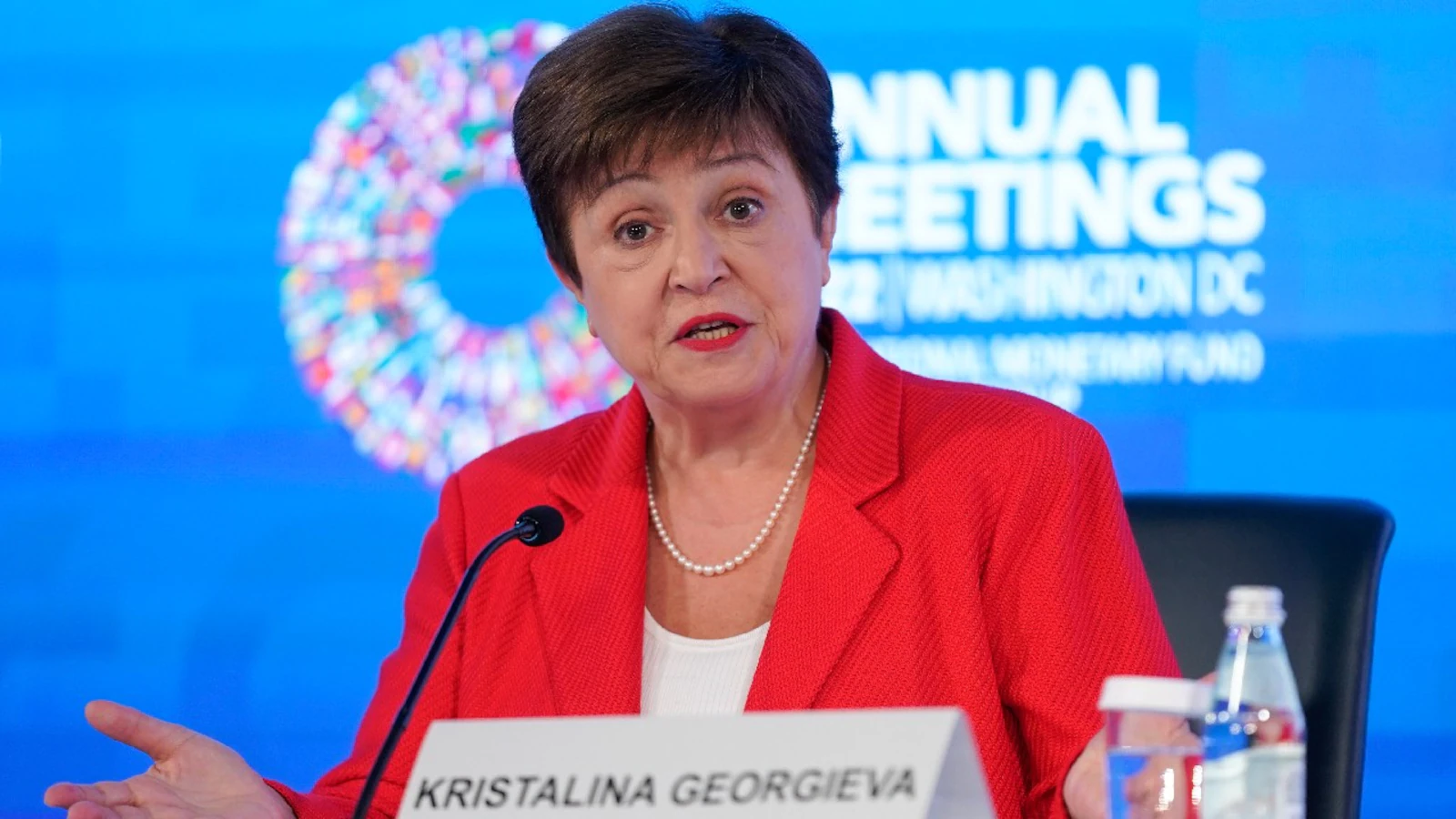
- •Managing Director Kristalina Georgieva urged governments to strengthen skills training and education to help workers adapt.
- •The warning was issued during the 2026 IMF/World Bank Annual Meetings panel in Bangkok, Thailand.
- •The report highlights potential challenges for young workers entering the labor market.
Why It Matters
The IMF’s warning signals a profound shift in the global labor market, where automation could reshape or eliminate a large share of existing jobs. If 40% of positions are affected, millions of workers—especially in advanced economies—will need new skills or risk unemployment. The potential for widening inequality, particularly for young entrants and workers in low‑income countries, underscores the urgency for coordinated policy responses that invest in digital education and workforce retraining.
Key Details
- Global Job Impact
- 40%
- Advanced Economy Impact
- 60%
- Low‑Income Country Impact
- 23%
- Panel Date
- 2026-10-12
- Panel Location
- Bangkok, Thailand
- IMF Managing Director
- Kristalina Georgieva
Context & Background
The warning was delivered at the 2026 IMF/World Bank Annual Meetings in Bangkok, where the organization highlighted the uneven adoption of AI across economies and its implications for employment.
Original Reporting & Sources
VNews is an independent briefing product. Original reporting remains credited to the following publishers:
This brief was synthesized automatically using attributed third-party reporting. VNews is a digital news publication produced under the VContent Group brand and operated by Francis Vincent Sunday in Ghana, independent from the publishers cited above. Read our AI Transparency Policy and Editorial & Corrections Policy.