Joint US-Israeli military strikes on Iran unlikely to change conflict dynamics
A 3-day joint US-Israeli military strike on Iran is unlikely to radically change the ongoing conflict.
In Brief
- •A 3-day joint US-Israeli military strike on Iran is unlikely to radically change the ongoing conflict.
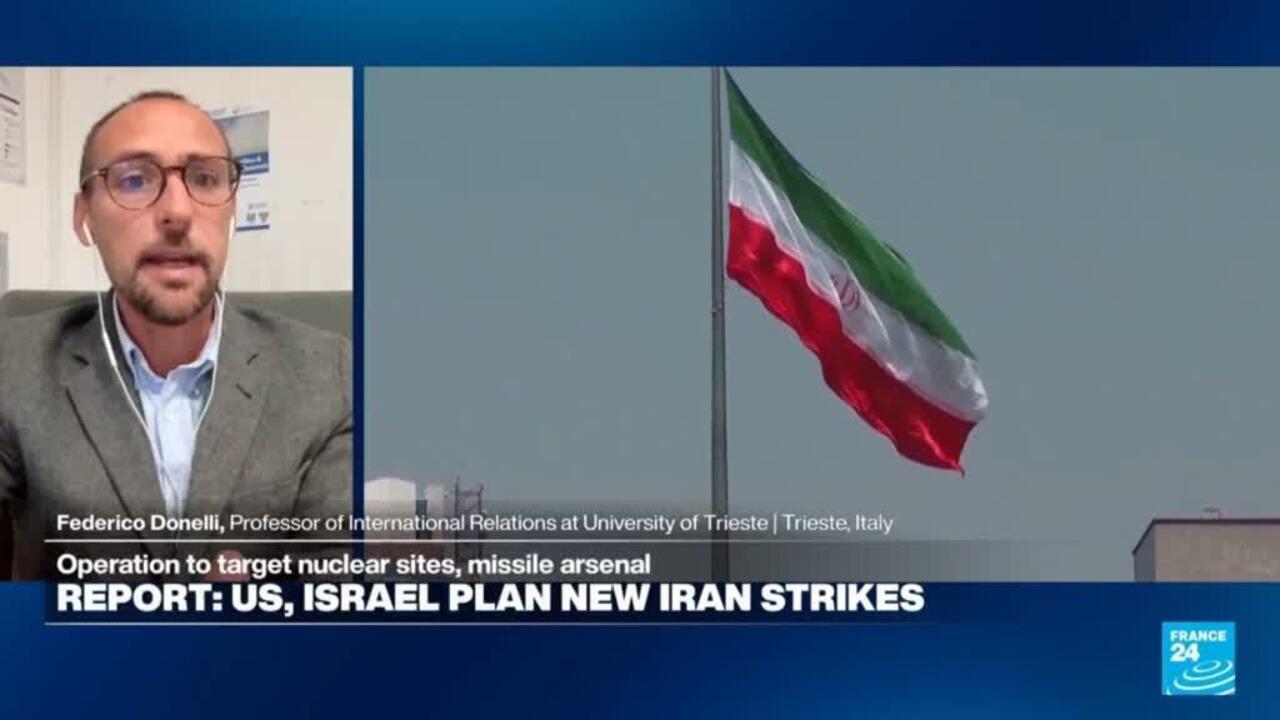
- •Federico Donelli argues that military pressure may not translate into a sustainable political outcome.
- •Iran retains leverage over the US, potentially influencing the outcome of the strikes.
- •The strikes could provoke a wider regional crisis if not carefully managed.
Why It Matters
The potential for a joint US-Israeli military strike on Iran raises significant geopolitical implications. While such an action might be seen as a bold move, it is unlikely to fundamentally alter the current conflict dynamics. The strike's outcome could be influenced by Iran's leverage over the US, and there is a risk of escalating tensions in the region. Understanding the potential impact of such an action is crucial for assessing the broader geopolitical landscape and the stability of the region.
Key Details
- Duration of Strikes
- 3 days
- Conflict Duration
- 8 months
Context & Background
The ongoing conflict between the US, Israel, and Iran has been ongoing for several months, with no significant political outcome achieved. The potential for a joint military strike raises questions about the effectiveness of military pressure in achieving a sustainable political resolution.
Original Reporting & Sources
VNews is an independent briefing product. Original reporting remains credited to the following publishers:
This brief was synthesized automatically using attributed third-party reporting. VNews is a digital news publication produced under the VContent Group brand and operated by Francis Vincent Sunday in Ghana, independent from the publishers cited above. Read our AI Transparency Policy and Editorial & Corrections Policy.