Lebanon's Olive Harvesters Face Danger Amid Israeli Occupation
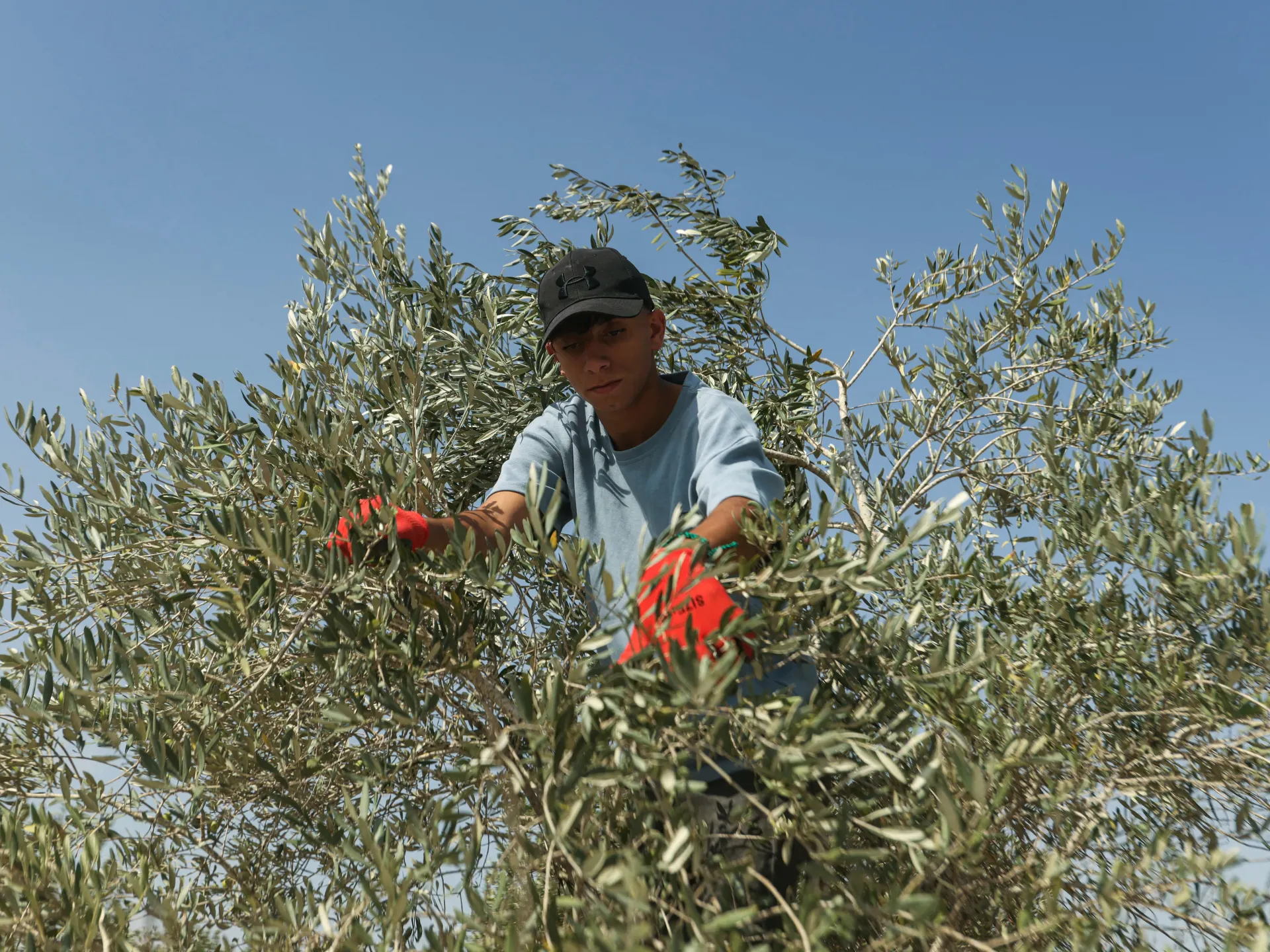
Lebanese olive harvesters are working under the threat of Israeli drones and warplanes, with limited access to their lands.
In Brief
- •Lebanese olive harvesters are working under the threat of Israeli drones and warplanes, with limited access to their lands.
- •Over 16,000 hectares of farmland have been destroyed by Israeli forces since October 2023, including through the use of white phosphorus.
- •Farmers report finding unexploded ordnance, including cluster bombs, on their lands.
- •Israeli restrictions on Lebanese farmers' access to their land have cost them their crops.
- •The Israeli occupation of southern Lebanon has disrupted the traditional olive harvest season.
Why It Matters
The destruction of Lebanon's olive groves and the disruption of the harvest season have significant economic and cultural implications. Olives are a staple crop in Lebanon, and their destruction affects both the livelihoods of farmers and the country's food security. Additionally, the use of white phosphorus and the presence of unexploded ordnance pose serious health and safety risks to the local population. The ongoing conflict also highlights the broader challenges of living under occupation and the impact on agricultural practices and food production.
Key Details
- Land Destroyed
- 16,000 hectares
- Occupied Area
- 630 sq km
- Harvest Window
- 2 weeks
- Casualties
- At least 2 people killed in olive groves
Context & Background
Lebanon's olive industry has a long history, with olives being a staple crop in the country. The ongoing conflict and Israeli occupation have disrupted traditional agricultural practices, including the olive harvest season.
Original Reporting & Sources
VNews is an independent briefing product. Original reporting remains credited to the following publishers:
This brief was synthesized automatically using attributed third-party reporting. VNews is a digital news publication produced under the VContent Group brand and operated by Francis Vincent Sunday in Ghana, independent from the publishers cited above. Read our AI Transparency Policy and Editorial & Corrections Policy.