Nigerian 2027 Presidential Campaigns Begin with Debates Over Fuel Subsidy and Economic Strategy
Campaigns for Nigeria's 2027 presidential election have kicked off with 18 political parties competing for the presidency.
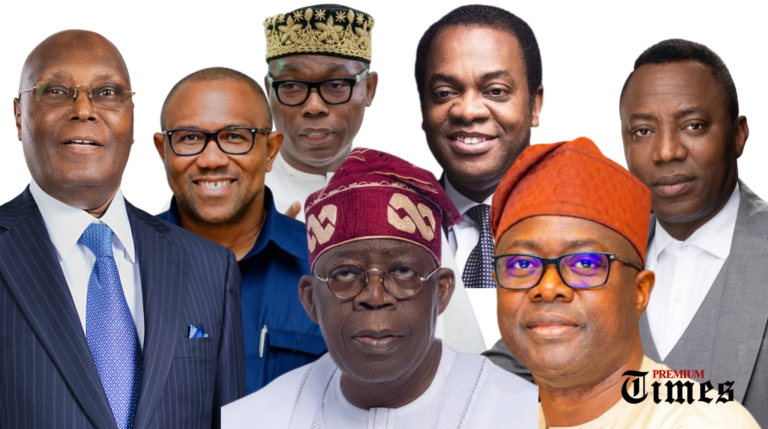
In Brief
- •Campaigns for Nigeria's 2027 presidential election have kicked off with 18 political parties competing for the presidency.
- •Economic relief and fuel subsidy policy have emerged as key debate topics among leading candidates.
- •Opposition candidate Atiku Abubakar pledged to reinstate fuel subsidies, drawing pushback from President Bola Ahmed Tinubu whose administration ended the policy in 2023.
- •Despite public sector savings of ₦15 trillion from subsidy removal between 2023 and 2025, inflation and high living costs continue to impact citizens.
Why It Matters
The debate over fuel subsidies and forex deregulation reflects the deep socio-economic challenges facing Nigerians amid persistent inflation and rising transportation and food costs. Candidates' proposed solutions to economic instability and governance will serve as pivotal policy benchmarks for voters ahead of the 2027 elections.
Key Details
- Participating Political Parties
- 18
- Subsidy Removal Savings (2023-2025)
- ₦15 trillion
- Q2 2026 GDP Growth
- 4.43%
- NNPCL Fuel Price Cap
- ₦1,350 per litre
Context & Background
President Bola Ahmed Tinubu ended Nigeria's long-standing fuel subsidy upon taking office in May 2023. While praised by international financial institutions for reducing fiscal deficit risks, the move combined with foreign exchange deregulation led to significant inflation and increased cost of living across the nation.
Original Reporting & Sources
VNews is an independent briefing product. Original reporting remains credited to the following publishers:
This brief was synthesized automatically using attributed third-party reporting. VNews is a digital news publication produced under the VContent Group brand and operated by Francis Vincent Sunday in Ghana, independent from the publishers cited above. Read our AI Transparency Policy and Editorial & Corrections Policy.