Nigeria Demands Two Permanent Security Council Seats for Africa at 81st UN General Assembly
Nigeria urged the UN to grant Africa at least two permanent Security Council seats, including veto power, and five non‑permanent seats.
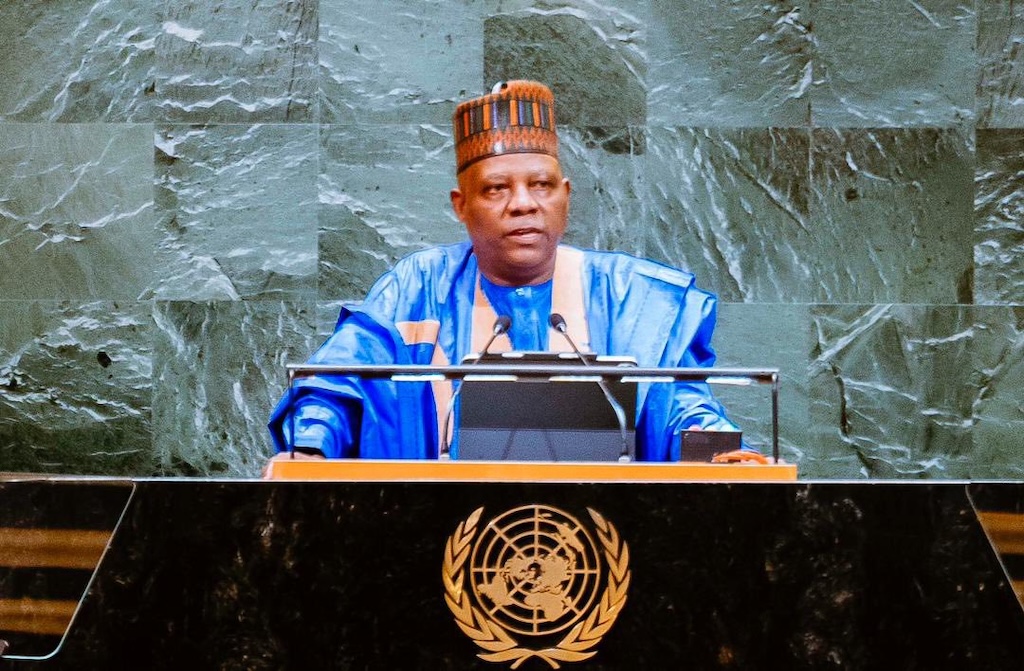
In Brief
- •Nigeria urged the UN to grant Africa at least two permanent Security Council seats, including veto power, and five non‑permanent seats.
- •The country highlighted its past peace‑keeping contributions in Liberia, Sierra Leone, Darfur, Mali and The Gambia.
- •Nigeria reaffirmed its commitment to the Paris Agreement and an equitable low‑carbon energy transition.
- •It called for reforms based on the Ezulwini Consensus and Sirte Declaration to reflect contemporary power distribution.
- •The address emphasized that development and climate action are not mutually exclusive and that Africa’s security and prosperity depend on global cooperation.
Why It Matters
Nigeria’s appeal underscores a growing push among African states for greater representation in the UN Security Council, a body that has historically reflected Cold War power structures. By demanding permanent seats, Nigeria seeks to ensure that African perspectives shape decisions on conflict resolution, climate policy, and international security. The call also signals a broader shift toward integrating development and climate action, challenging the notion that economic growth must come at the expense of environmental stewardship. For the international community, Nigeria’s stance could reshape diplomatic dynamics and influence how global institutions address emerging security and climate challenges.
Key Details
- Security Council Reform Proposal
- Nigeria demands at least two permanent seats for Africa, including veto, and five non‑permanent seats.
- Climate Commitment
- Nigeria remains committed to the Paris Agreement and an equitable energy transition.
- International Peace Contributions
- Nigeria has deployed personnel and resources in Liberia, Sierra Leone, Darfur, Mali, and The Gambia.
- Economic Reform Focus
- Nigeria emphasizes macroeconomic management, private‑sector development, and strategic public investment.
- Ezulwini Consensus & Sirte Declaration
- Basis for Security Council reform demands.
Context & Background
The United Nations was founded in 1945 to prevent future wars and promote international cooperation. Over the decades, its structure has been criticized for reflecting outdated power balances, prompting calls for reform from member states.
Original Reporting & Sources
VNews is an independent briefing product. Original reporting remains credited to the following publishers:
This brief was synthesized automatically using attributed third-party reporting. VNews is a digital news publication produced under the VContent Group brand and operated by Francis Vincent Sunday in Ghana, independent from the publishers cited above. Read our AI Transparency Policy and Editorial & Corrections Policy.