Nigeria's grid faces residential exit as solar costs keep falling
Nigeria's national grid struggles to meet demand, generating only 3,940 megawatts compared to 48,000 in South Africa and 59,000 in Egypt.
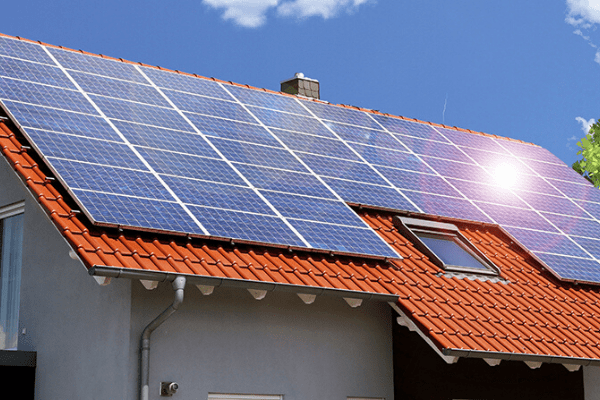
In Brief
- •Nigeria's national grid struggles to meet demand, generating only 3,940 megawatts compared to 48,000 in South Africa and 59,000 in Egypt.
- •Households are increasingly opting for solar power due to falling costs and rising grid tariffs.
- •Solar power is becoming more affordable than diesel generators, with a payback period of under three and a half years.
- •The naira's devaluation has increased the cost of solar systems in Nigeria despite global price decreases.
- •Battery costs remain a significant hurdle for widespread solar adoption in residential settings.
Why It Matters
The shift towards solar power in Nigeria represents a significant transformation in the country's energy landscape. As the cost of solar power continues to fall and grid reliability declines, households are increasingly opting for decentralized energy solutions. This trend has the potential to reduce Nigeria's reliance on the national grid, lower energy costs for consumers, and decrease the country's vulnerability to grid collapses. However, the high cost of batteries remains a significant barrier to widespread adoption, and the country's energy sector continues to face significant debt and operational challenges.
Key Details
- Grid Generation Capacity
- 3,940 megawatts
- South Africa Grid Capacity
- 48,000 megawatts
- Egypt Grid Capacity
- 59,000 megawatts
- Generator Fuel Cost
- ₦1.5 million per year
- Solar System Cost
- ₦5 million
- Payback Period
- Under 3.5 years
Context & Background
Nigeria's national grid has struggled for over a century to meet the energy demands of its population. The sector is also burdened by significant debt, with generation companies owed over N6.8 trillion as of February 2026, and gas suppliers alone owed N3.3 trillion.
Original Reporting & Sources
VNews is an independent briefing product. Original reporting remains credited to the following publishers:
This brief was synthesized automatically using attributed third-party reporting. VNews is a digital news publication produced under the VContent Group brand and operated by Francis Vincent Sunday in Ghana, independent from the publishers cited above. Read our AI Transparency Policy and Editorial & Corrections Policy.