Nigeria's healthcare manufacturing ambitions face workforce challenges
Nigeria aims to increase its life sciences manufacturing workforce from 20,000 to 50,000 full-time employees by 2030.
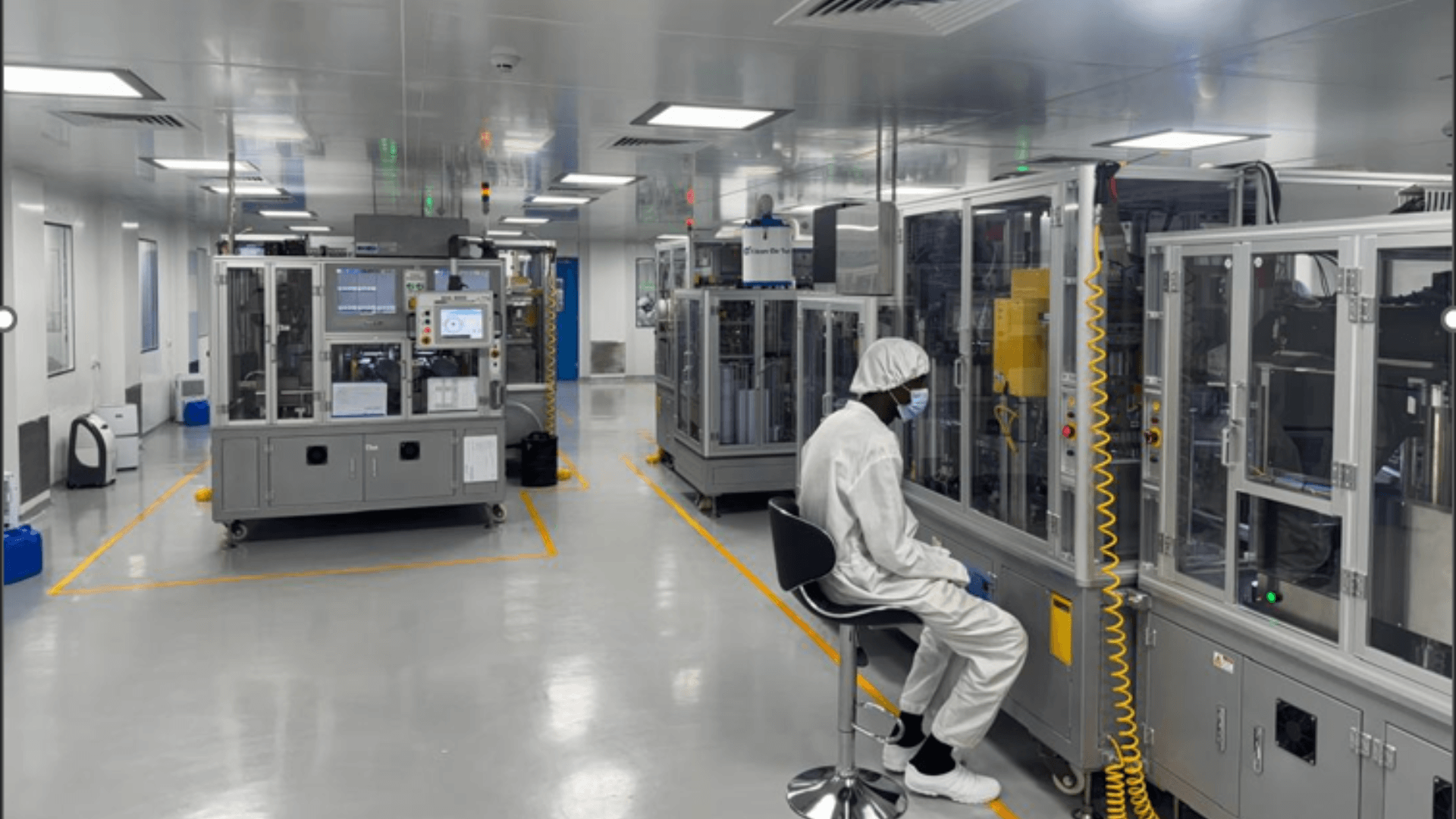
In Brief
- •Nigeria aims to increase its life sciences manufacturing workforce from 20,000 to 50,000 full-time employees by 2030.
- •The country is building domestic production capacity for medicines, vaccines, diagnostics, and health products through the Presidential Initiative for Unlocking the Healthcare Value Chain (PVAC).
- •Nigeria produces thousands of health and life sciences graduates annually, but many lack the practical competencies needed for manufacturing roles.
- •Employers must be involved in shaping the training pipeline to ensure workers have the necessary skills for manufacturing jobs.
- •Workforce development must accompany capital investment in new facilities to ensure productivity and success.
Why It Matters
Nigeria's push for local healthcare manufacturing is crucial for economic growth, job creation, and reducing dependence on imported health commodities. However, without a skilled workforce, the country risks investing in industrial infrastructure without the human capacity to make it productive. Addressing this workforce gap is essential for the success of Nigeria's healthcare industrialization efforts.
Key Details
- Current Workforce Size
- 20,000
- Target Workforce Size by 2030
- 50,000
- Additional Skilled Workers Needed by 2030
- 30,000
- Initiative
- Presidential Initiative for Unlocking the Healthcare Value Chain (PVAC)
Context & Background
Nigeria's healthcare manufacturing ambitions are driven by the need to reduce vulnerability to global supply chain disruptions and to create jobs and strengthen industrial capability within the country.
Original Reporting & Sources
VNews is an independent briefing product. Original reporting remains credited to the following publishers:
This brief was synthesized automatically using attributed third-party reporting. VNews is a digital news publication produced under the VContent Group brand and operated by Francis Vincent Sunday in Ghana, independent from the publishers cited above. Read our AI Transparency Policy and Editorial & Corrections Policy.