Nigeria's Mini-Grid Expansion Faces Funding Challenges Despite Technical Success
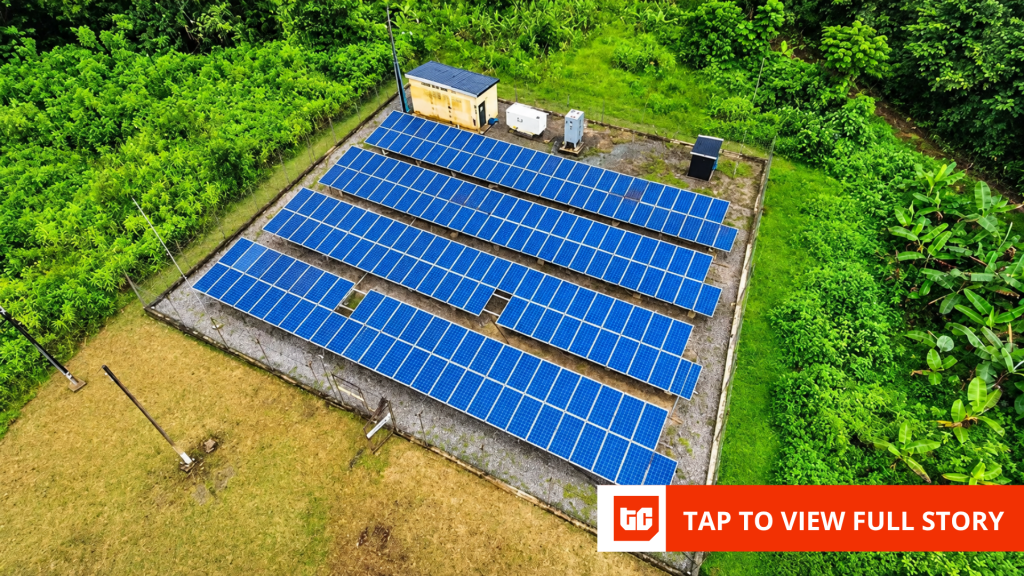
Nigeria's Nigeria Electrification Project (NEP) successfully connected 146,000 households through 180 solar hybrid mini-grids, but only 62.5% of the population has access to electricity.
In Brief
- •Nigeria's Nigeria Electrification Project (NEP) successfully connected 146,000 households through 180 solar hybrid mini-grids, but only 62.5% of the population has access to electricity.
- •Households spent ₦327.05 billion ($246.3 million) on petrol and diesel generators in 2024, compared to ₦175.05 billion ($131.8 million) on grid electricity.
- •The NEP faced systemic vulnerabilities, including currency risk and capital constraints, leading to a reduction in available allocation from $150 million to $56.7 million.
- •New initiatives like the $300 million Nigeria Distributed Renewable Energy Fund aim to address financing gaps through blended finance mechanisms.
- •Commercial credit remains restrictive for mini-grid developers, with short loan tenors and stringent collateral requirements.
Why It Matters
Nigeria's mini-grid expansion, while technically successful, faces significant funding challenges that hinder its potential to close the electricity access gap. The country's large population without grid access and the high costs of self-generation highlight the urgent need for sustainable financing solutions. Addressing these financial hurdles is crucial for scaling up renewable energy infrastructure and reducing reliance on expensive fuel sources.
Key Details
- Households Connected
- 146,000
- Renewable Capacity Deployed
- 19.2MW
- Population with Electricity Access
- 62.5%
- Cost of Petrol and Diesel Generators
- ₦327.05 billion ($246.3 million)
- Cost of Grid Electricity
- ₦175.05 billion ($131.8 million)
- Initial NEP Allocation
- $150 million
- Reduced NEP Allocation
- $56.7 million
- Nigeria Distributed Renewable Energy Fund Target
- $300 million
Context & Background
Nigeria's Nigeria Electrification Project (NEP) was initiated to expand electricity access through distributed renewable energy. The project aimed to address the country's significant electricity access gap by leveraging solar hybrid mini-grids.
Original Reporting & Sources
VNews is an independent briefing product. Original reporting remains credited to the following publishers:
This brief was synthesized automatically using attributed third-party reporting. VNews is a digital news publication produced under the VContent Group brand and operated by Francis Vincent Sunday in Ghana, independent from the publishers cited above. Read our AI Transparency Policy and Editorial & Corrections Policy.