Oil-rich nations urged to shift fossil fuel wealth to sustainable energy
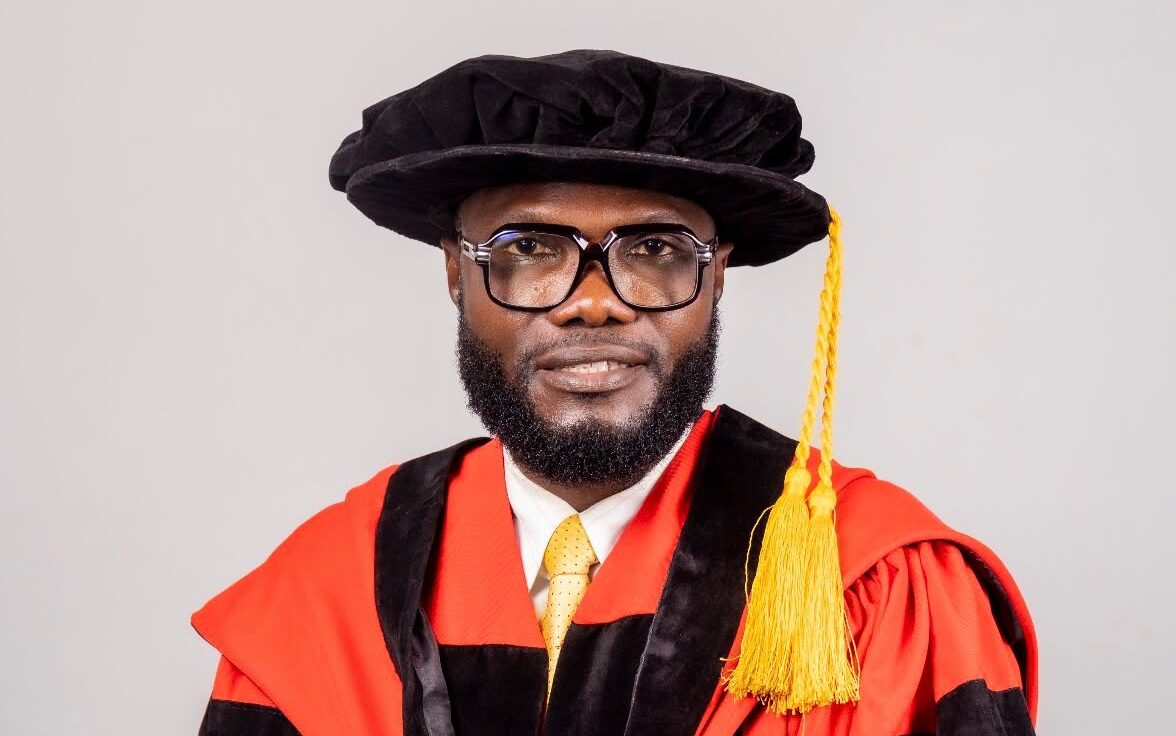
Professor Ekundayo Mesagan of Pan-Atlantic University recommends that oil-producing countries like Nigeria transform fossil fuel revenues into sustainable energy systems.
In Brief
- •Professor Ekundayo Mesagan of Pan-Atlantic University recommends that oil-producing countries like Nigeria transform fossil fuel revenues into sustainable energy systems.
- •Mesagan suggests investing in renewable energy, green infrastructure, and cleaner technologies to balance economic benefits with environmental sustainability.
- •Global carbon dioxide emissions have risen from about 22 billion tonnes in 1990 to approximately 39 billion tonnes in 2024, despite international climate commitments.
Why It Matters
The shift from fossil fuels to sustainable energy is crucial for meeting global climate targets and reducing greenhouse gas emissions. Oil-rich nations, including Nigeria, face the challenge of balancing economic growth with environmental sustainability. Investing in renewable energy and green technologies can help these countries reduce emissions, strengthen their participation in carbon markets, and remain competitive in a tightening global climate policy landscape.
Key Details
- Global CO2 Emissions (1990)
- 22 billion tonnes
- Global CO2 Emissions (2024)
- 39 billion tonnes
- Nigeria's Net-Zero Commitment
- 2060
Context & Background
Oil-producing countries have long relied on fossil fuels for economic growth, but this dependence raises concerns about environmental degradation and greenhouse gas emissions. The Paris Agreement aims to limit global warming to well below 2 degrees Celsius, with efforts to reach 1.5 degrees Celsius.
Original Reporting & Sources
VNews is an independent briefing product. Original reporting remains credited to the following publishers:
This brief was synthesized automatically using attributed third-party reporting. VNews is a digital news publication produced under the VContent Group brand and operated by Francis Vincent Sunday in Ghana, independent from the publishers cited above. Read our AI Transparency Policy and Editorial & Corrections Policy.