OPEC forecasts 88% rise in African oil demand by 2050
OPEC projects Africa's oil demand to nearly double by 2050, rising from 4.9 million to 9.2 million barrels per day.
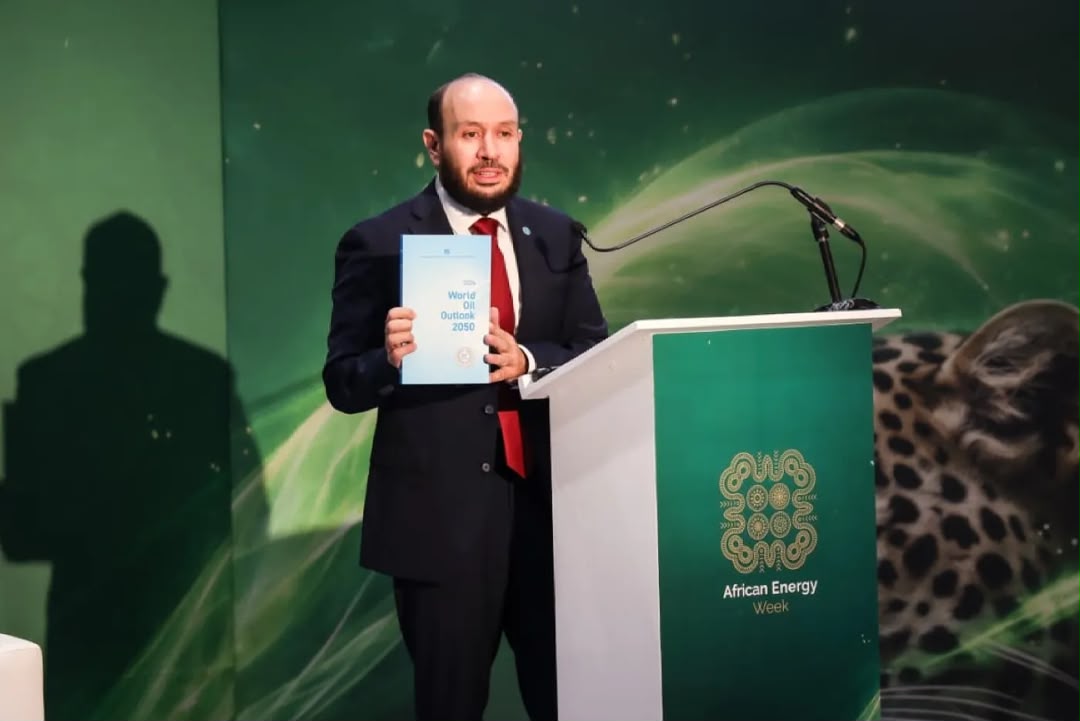
In Brief
- •OPEC projects Africa's oil demand to nearly double by 2050, rising from 4.9 million to 9.2 million barrels per day.
- •Transportation is expected to account for nearly 60% of the increase in oil demand.
- •Africa's population is projected to grow from 1.5 billion to 2.5 billion by 2050, driving energy demand.
- •OPEC highlights the need for Africa to expand production, refining, and distribution capacity to meet future demand.
Why It Matters
The projected increase in African oil demand presents both opportunities and challenges. On one hand, it could drive economic growth and support industrial development. On the other hand, it underscores the need for robust energy infrastructure to ensure reliable fuel supplies and manage the economic and energy-security risks associated with continued reliance on oil. The outlook also raises questions about the continent's ability to transition to a more diversified energy mix while meeting growing demand.
Key Details
- Projected oil demand in 2025
- 4.9 million barrels per day
- Projected oil demand in 2050
- 9.2 million barrels per day
- Projected population growth
- From 1.5 billion to 2.5 billion
- Transportation's share of demand increase
- Nearly 60%
- Petroleum products' share of Ghana's energy consumption in 2024
- 55.9%
Context & Background
OPEC's World Oil Outlook has historically provided projections on global energy demand, helping policymakers and industries prepare for future energy needs.
Original Reporting & Sources
VNews is an independent briefing product. Original reporting remains credited to the following publishers:
This brief was synthesized automatically using attributed third-party reporting. VNews is a digital news publication produced under the VContent Group brand and operated by Francis Vincent Sunday in Ghana, independent from the publishers cited above. Read our AI Transparency Policy and Editorial & Corrections Policy.