Palestinian Injuries and Land Conflicts Escalate in West Bank Pogroms
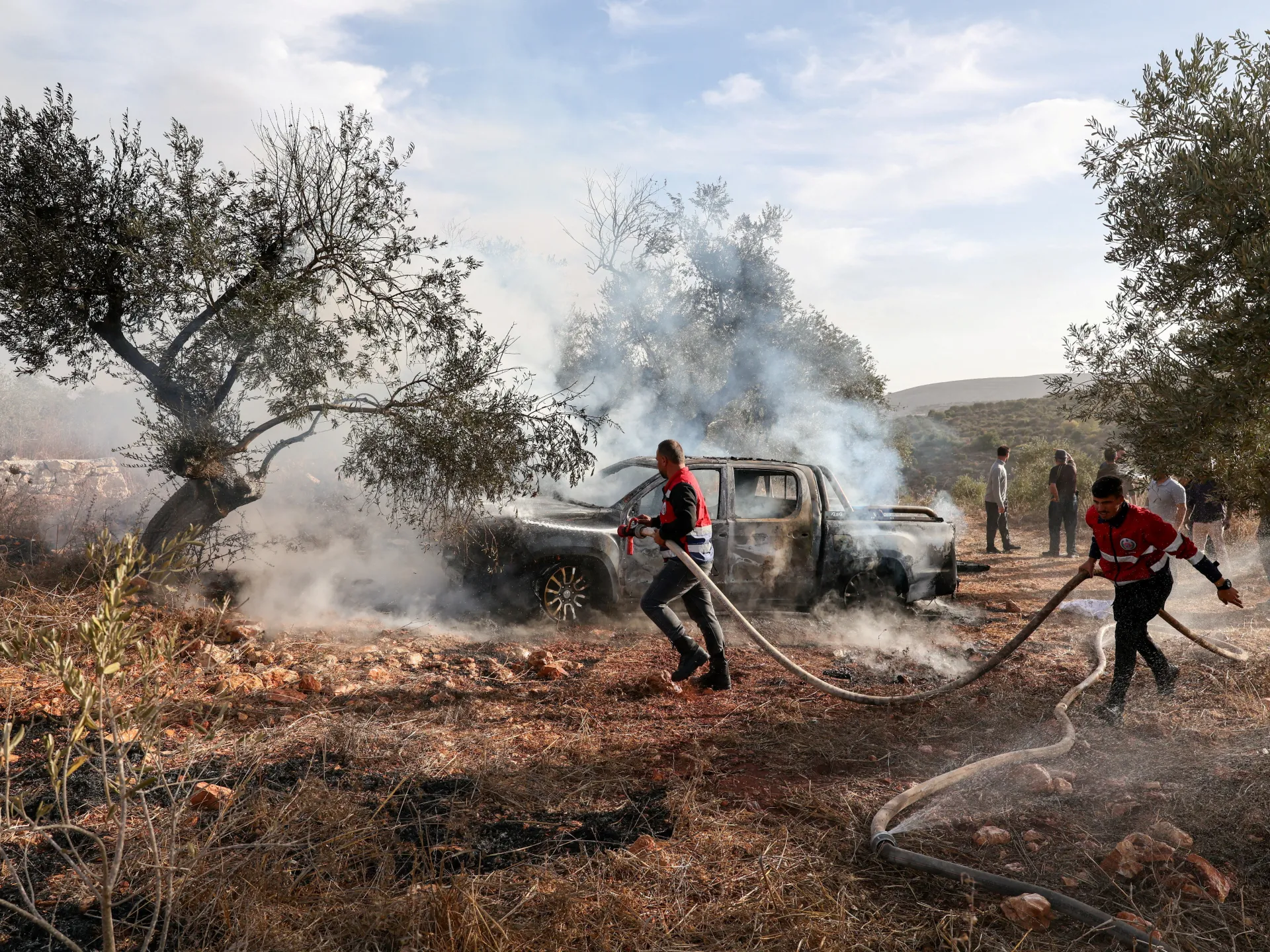
Six Palestinians, including four women and a child, were injured in Ma’in village during Israeli settler attacks.
In Brief
- •Six Palestinians, including four women and a child, were injured in Ma’in village during Israeli settler attacks.
- •Israeli forces arrested farmers and opened fire on olive harvesters in Deir Ammar and Tuqu.
- •Settlers destroyed olive trees and raided farms in Beit Furik, Kafr Malek, Deir Jarir, and Burqa.
- •Rabbi Dov Lior’s religious edict permits olive harvesting in the West Bank, emboldening settler violence.
- •Israeli Prime Minister Benjamin Netanyahu downplays pogroms, allowing violence to continue politically.
Why It Matters
The ongoing pogroms in the West Bank have severely impacted Palestinian farmers, disrupting their olive harvest season. The violence, justified by a religious edict, highlights the ongoing land and political conflicts in the region. The lack of concrete action by Israeli authorities to stop these attacks underscores the political and security challenges facing the Palestinian population.
Key Details
- Injured Palestinians
- 6 (including four women and a child)
- Villages Affected
- Ma’in, Deir Ammar, Tuqu, Beit Furik, Kafr Malek, Deir Jarir, Burqa
- Olive Trees Destroyed
- Multiple in Beit Furik plain
- Sheep Killed
- About 20 in Kafr Malek
- Documented Attacks
- 300 since October
- Election Date
- October 27
Context & Background
The West Bank has seen ongoing conflicts between Israeli settlers and Palestinian farmers, with settler violence often justified by religious edicts. These conflicts have been a longstanding issue in the region, with periodic escalations.
Original Reporting & Sources
VNews is an independent briefing product. Original reporting remains credited to the following publishers:
This brief was synthesized automatically using attributed third-party reporting. VNews is a digital news publication produced under the VContent Group brand and operated by Francis Vincent Sunday in Ghana, independent from the publishers cited above. Read our AI Transparency Policy and Editorial & Corrections Policy.