Reuben Abati Criticizes Tinubu's Fuel Price Hike, Blames Government Policies
Arise TV anchor Reuben Abati criticized President Bola Tinubu for blaming the opposition over hunger and poverty in Nigeria.
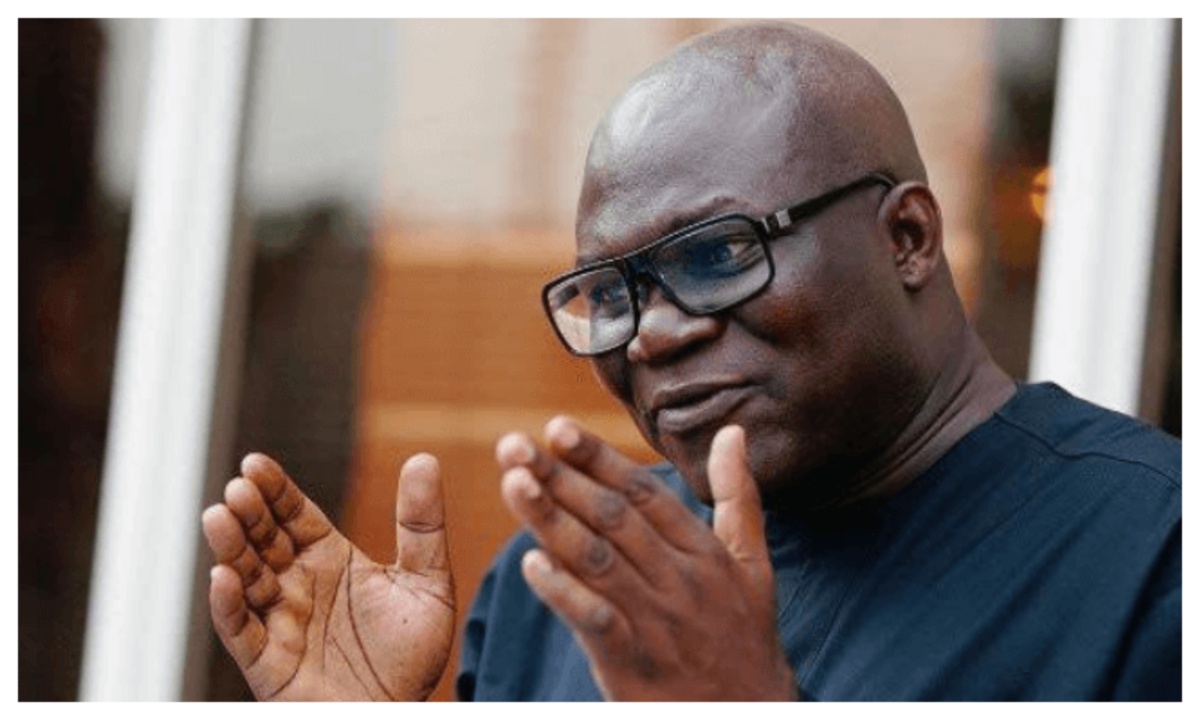
In Brief
- •Arise TV anchor Reuben Abati criticized President Bola Tinubu for blaming the opposition over hunger and poverty in Nigeria.
- •Abati pointed out that fuel prices have risen from N195 per litre to N1400-N1500 per litre under Tinubu's administration.
- •He argued that the increase in food prices, such as rice, garri, and beans, is due to government policies like the removal of fuel subsidy and devaluation of the naira.
- •Abati urged Tinubu to focus on reducing the cost of living for Nigerians rather than blaming the opposition.
Why It Matters
This critique highlights the economic challenges faced by Nigerians under the current administration. The rising cost of fuel and essential goods is a significant concern for the population, and the government's response to these issues is crucial for maintaining public trust and stability. The debate also underscores the broader issue of economic policy and its impact on the daily lives of citizens.
Key Details
- Fuel Price Increase
- N195 to N1400-N1500 per litre
- Garri Price Increase
- N500 to N2500 per paint
- President's Statement
- Blamed opposition for hunger and poverty
Context & Background
The removal of fuel subsidy and devaluation of the naira are part of the economic policies implemented by President Bola Tinubu's administration. These measures aim to reduce government spending but have led to significant increases in the cost of living for Nigerians.
Original Reporting & Sources
VNews is an independent briefing product. Original reporting remains credited to the following publishers:
This brief was synthesized automatically using attributed third-party reporting. VNews is a digital news publication produced under the VContent Group brand and operated by Francis Vincent Sunday in Ghana, independent from the publishers cited above. Read our AI Transparency Policy and Editorial & Corrections Policy.