Six Years After #EndSARS, Nigerian Police Impunity Persists, RULAAC Reports
RULAAC accuses Nigerian police of sustaining a culture of impunity six years after the #EndSARS protests
In Brief
- •RULAAC accuses Nigerian police of sustaining a culture of impunity six years after the #EndSARS protests
- •Allegations include torture, unlawful detention, extortion, extrajudicial killings and enforced disappearances
- •The disbandment of SARS and subsequent reforms have not fundamentally changed policing practices
- •Judicial panels received thousands of petitions, but implementation of recommendations is fragmented and opaque
Why It Matters
The persistence of police impunity undermines Nigeria’s rule of law and erodes public trust in law‑enforcement institutions. Continued abuses threaten social stability and hinder the country’s efforts to meet international human‑rights standards, potentially affecting foreign investment and diplomatic relations.
Key Details
- Disbandment of SARS
- 2020
- Number of petitions received by panels
- thousands
- Implementation status of panel recommendations
- fragmented, opaque, inadequate
- Key allegations cited by RULAAC
- torture, unlawful detention, extortion, extrajudicial killings, enforced disappearances
Context & Background
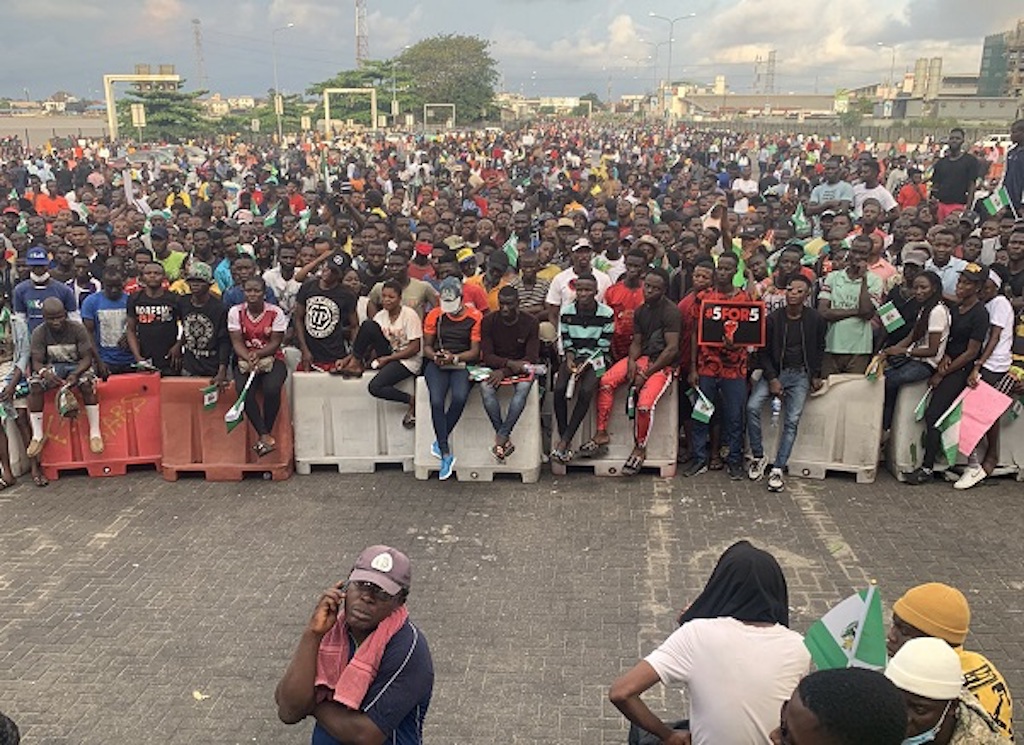
The #EndSARS protests in October 2020 were sparked by widespread allegations of police brutality, leading to the disbandment of the Special Anti‑Robbery Squad and the establishment of judicial panels of inquiry.
Original Reporting & Sources
VNews is an independent briefing product. Original reporting remains credited to the following publishers:
This brief was synthesized automatically using attributed third-party reporting. VNews is a digital news publication produced under the VContent Group brand and operated by Francis Vincent Sunday in Ghana, independent from the publishers cited above. Read our AI Transparency Policy and Editorial & Corrections Policy.