TUC and NLC Disagree Over Authority to Negotiate N70,000 Transport Allowance
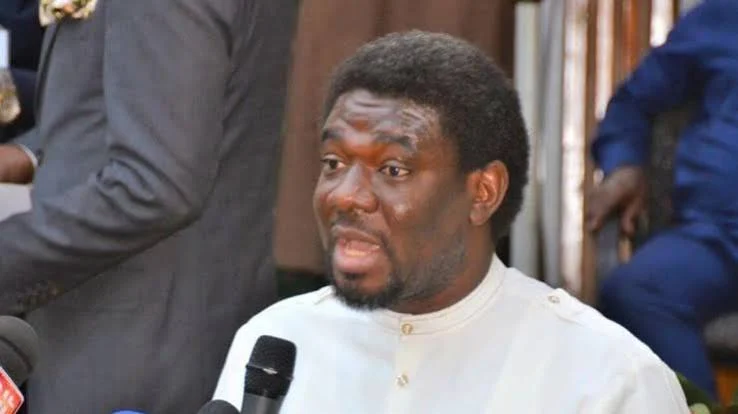
TUC President Festus Osifo claims NLC lacks authority to negotiate salaries and allowances without TUC's participation.
In Brief
- •TUC President Festus Osifo claims NLC lacks authority to negotiate salaries and allowances without TUC's participation.
- •Osifo disputes NLC's negotiation of the N70,000 transport allowance, calling it an aberration.
- •Osifo argues that both unions must come together for negotiations, citing ILO regulations.
- •NLC President Joe Ajaero is accused of not understanding the JNC constitution and ILO regulations.
- •Osifo challenges Ajaero to produce ILO regulations authorizing unilateral negotiation by NLC.
Why It Matters
This dispute between the TUC and NLC highlights the ongoing challenges in the Nigerian labour movement, particularly in the negotiation of workers' benefits. The disagreement over the authority to negotiate salaries and allowances could have significant implications for the welfare of Nigerian workers and the overall stability of the labour market. It also underscores the need for clearer guidelines and regulations in the labour sector to prevent such disputes and ensure fair negotiations.
Key Details
- Transport Allowance Amount
- N70,000
- TUC Affiliates
- 40
- NLC Affiliates
- 60
- Minimum Wage Increment
- 33%
- Previous Minimum Wage
- N30,000
Context & Background
The Nigerian Labour Congress (NLC) and the Trade Union Congress (TUC) are the two main labour centres in Nigeria, representing different sectors of the workforce. The Joint Public Sector Negotiating Council (JNC) is a tripartite body that includes the NLC, TUC, and the Federal Government, responsible for negotiating public sector workers' conditions.
Original Reporting & Sources
VNews is an independent briefing product. Original reporting remains credited to the following publishers:
This brief was synthesized automatically using attributed third-party reporting. VNews is a digital news publication produced under the VContent Group brand and operated by Francis Vincent Sunday in Ghana, independent from the publishers cited above. Read our AI Transparency Policy and Editorial & Corrections Policy.