Dal Lake in Srinagar faces severe environmental degradation
Dal Lake in Srinagar is deteriorating due to pollution, unregulated construction, and climate change.
In Brief
- •Dal Lake in Srinagar is deteriorating due to pollution, unregulated construction, and climate change.
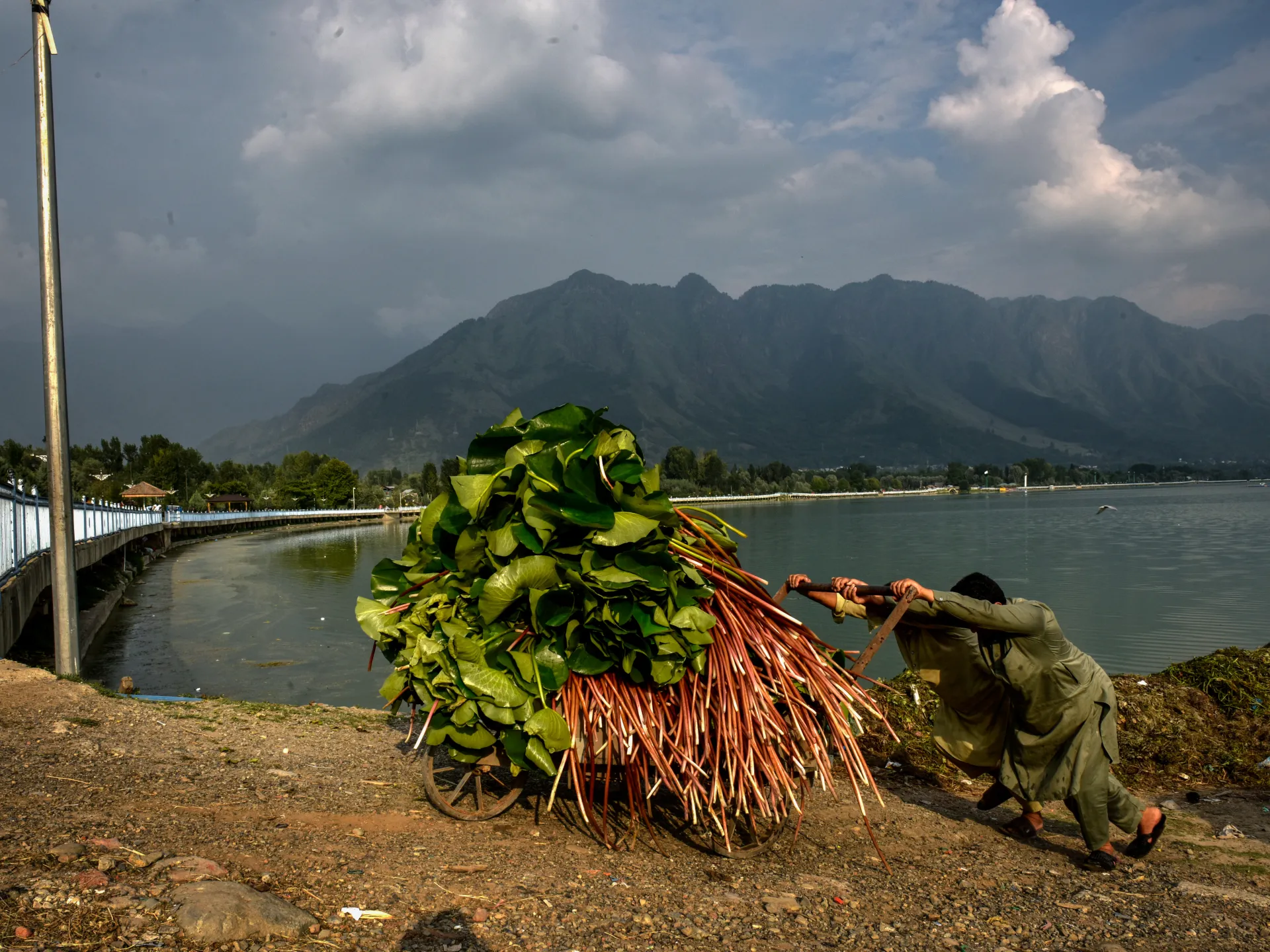
- •The lake, once known for its clear waters and floating gardens, is now clogged with sewage, plastic waste, and rampant weed growth.
- •Unregulated construction and land encroachment have reduced the lake's surface area and damaged its ecosystem.
- •Climate change, including erratic rainfall and rising temperatures, is accelerating the lake's decline.
- •Despite periodic clean-up campaigns, the future of Dal Lake remains uncertain.
Why It Matters
Dal Lake is a vital part of Srinagar's tourism and cultural life. Its degradation affects thousands of residents and businesses that rely on it for transport and livelihoods. The environmental crisis in the Kashmir Valley highlights broader issues of pollution, unregulated development, and climate change that require urgent attention.
Key Details
- Surface Area Reduction
- Reduced due to unregulated construction and land encroachment
- Pollution Sources
- Untreated sewage, plastic waste, and rampant weed growth
- Climate Impact
- Erratic rainfall and rising temperatures
Context & Background
Dal Lake has historically been a significant part of Srinagar's cultural and economic landscape. However, over the years, it has faced increasing environmental pressures due to population growth and urbanization.
Original Reporting & Sources
VNews is an independent briefing product. Original reporting remains credited to the following publishers:
This brief was synthesized automatically using attributed third-party reporting. VNews is a digital news publication produced under the VContent Group brand and operated by Francis Vincent Sunday in Ghana, independent from the publishers cited above. Read our AI Transparency Policy and Editorial & Corrections Policy.