Ghana’s NACOC Urges More Staff to Combat Rising Drug Trafficking
NACOC’s workforce is reported to be below 2,000, limiting its ability to detect and disrupt narcotics activities across Ghana.
In Brief
- •NACOC’s workforce is reported to be below 2,000, limiting its ability to detect and disrupt narcotics activities across Ghana.
- •The commission currently operates in only 66 of the country’s 261 districts, a shortfall highlighted by Interior Minister Muntaka Mohammed‑Mubarak in July.
- •French authorities seized about 3.9 tonnes of suspected cocaine from a container shipped from Ghana, underscoring the urgency of strengthening enforcement.
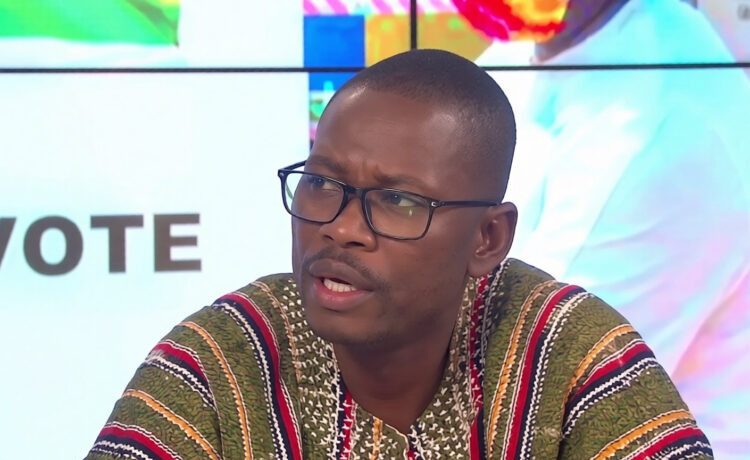
- •Peter Lanchene Toobu, Vice Chairman of Parliament’s Defence and Interior Committee, called for recruitment, specialized training and better coordination with police and BNI.
Why It Matters
The growing drug trafficking threat poses significant risks to Ghana’s public safety, economy, and international reputation. Strengthening NACOC’s manpower and training will enhance the country’s capacity to intercept illicit narcotics, protect communities, and meet international obligations to curb drug smuggling.
Key Details
- Current Workforce
- Below 2,000
- District Coverage
- 66 of 261 districts
- Cocaine Seizure
- 3.9 tonnes
- Suspect Surveillance Duration
- 1–2 years
- Training Need
- Specialized officer training
Context & Background
Ghana has faced renewed scrutiny over its role in international drug trafficking investigations, highlighted by a recent French seizure of cocaine linked to a Ghana‑originated shipment.
Original Reporting & Sources
VNews is an independent briefing product. Original reporting remains credited to the following publishers:
This brief was synthesized automatically using attributed third-party reporting. VNews is a digital news publication produced under the VContent Group brand and operated by Francis Vincent Sunday in Ghana, independent from the publishers cited above. Read our AI Transparency Policy and Editorial & Corrections Policy.